Buy studyportal.eu ?
We are moving the project
studyportal.eu .
Are you interested in purchasing the domain
studyportal.eu ?
domain@kv-gmbh.de · 0541-91531010
Buy studyportal.eu ?
Which degree and which university or college?
I have a Bachelor's degree in Computer Science from Stanford University. **
What is the meaning of functional education?
Functional education refers to an approach to learning that focuses on practical skills and knowledge that are directly applicable to real-life situations. It emphasizes the development of critical thinking, problem-solving, and decision-making skills, as well as the acquisition of relevant vocational and technical skills. The goal of functional education is to prepare individuals to be competent and capable in their personal and professional lives, enabling them to contribute effectively to society and the workforce. This type of education aims to bridge the gap between theoretical knowledge and practical application, ultimately empowering individuals to succeed in their chosen fields. **
Similar search terms for Meaning
Top-Angebote
Products related to Meaning:
-
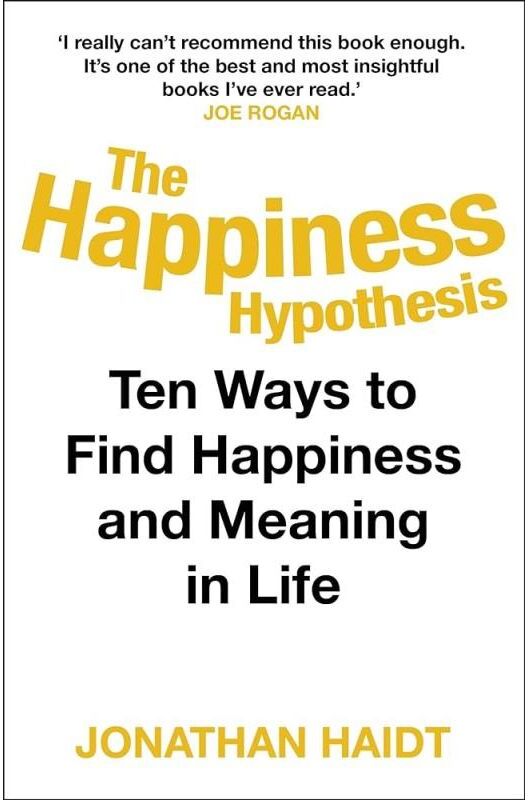
Cornerstone The Happiness Hypothesis: Ten Ways to Find Happiness and Meaning in LifeIn The Happiness Hypothesis, social psychologist Jonathan Haidt examines ten Great Ideas which have been championed across centuries and civilisations and asks: how can we apply these ideas to our twenty-first century lives?By holding ancient wisdom to the test of modern psychology, Haidt extracts lessons on how we can train our brains to be more optimistic, build better relationships and achieve a sense of balance. He also explores how we can overcome the obstacles to well-being that we place in our own way.In this uplifting and empowering book, Haidt draws on sources as diverse as Buddha, Benjamin Franklin and Shakespeare to show how we can find happiness and meaning in life10,99 £*Shipping: 2,99 £Secure redirect to the provider


-
Do your parents have a college or university degree?
Yes, both of my parents have college degrees. My mother has a bachelor's degree in education, and my father has a master's degree in business administration. Their education has been a source of inspiration for me and has instilled in me the value of higher education. They have always encouraged me to pursue my academic goals and have been supportive of my educational journey. **
-
What is the meaning of the desired degree?
The desired degree refers to the specific academic qualification or level of education that an individual aims to achieve in a particular field of study. It represents the knowledge, skills, and expertise that the individual seeks to acquire through their educational journey. Attaining the desired degree can open up opportunities for career advancement, personal growth, and specialized knowledge in a chosen area of interest. It serves as a milestone in one's educational and professional development, signaling a level of expertise and competence in a specific field. **
-
What is the meaning of voting and education?
Voting is the act of expressing one's opinion and participating in the democratic process by choosing leaders and making decisions on public policies. It is a fundamental right and responsibility in a democratic society, allowing individuals to have a say in how their country is governed. Education, on the other hand, is the process of acquiring knowledge, skills, and values that empower individuals to make informed decisions and contribute to society. It provides the tools necessary to critically evaluate information, understand the importance of civic engagement, and participate effectively in the democratic process, including voting. Together, voting and education are essential components of a healthy democracy, ensuring that citizens are informed and engaged in shaping the future of their communities and countries. **
-
What is the meaning of childhood and education?
Childhood is a period of growth, learning, and exploration. It is a time when children develop their identity, social skills, and cognitive abilities. Education during childhood is the process of acquiring knowledge, skills, and values that will help children navigate the world around them. It provides the foundation for their future success and well-being. Childhood and education are essential for shaping individuals into well-rounded, knowledgeable, and responsible members of society. **


Should one pursue a university degree or further education?
Pursuing a university degree or further education depends on an individual's career goals, interests, and financial situation. A university degree can provide valuable knowledge, skills, and credentials that can lead to better job opportunities and higher earning potential. However, further education, such as a master's or professional certification, can also enhance one's expertise and qualifications in a specific field. It's important to carefully consider the potential return on investment and weigh the costs and benefits of pursuing further education before making a decision. **
Is a college degree equivalent, higher or lower than a degree from a university?
A college degree is typically lower than a degree from a university. In the United States, a college degree is usually a 2-year associate's degree or a 4-year bachelor's degree, while a university degree often refers to a higher level of education such as a master's or doctoral degree. Universities tend to offer a wider range of academic programs and research opportunities compared to colleges, making their degrees more advanced and prestigious. **
Top-Angebote
Products related to Meaning:
-
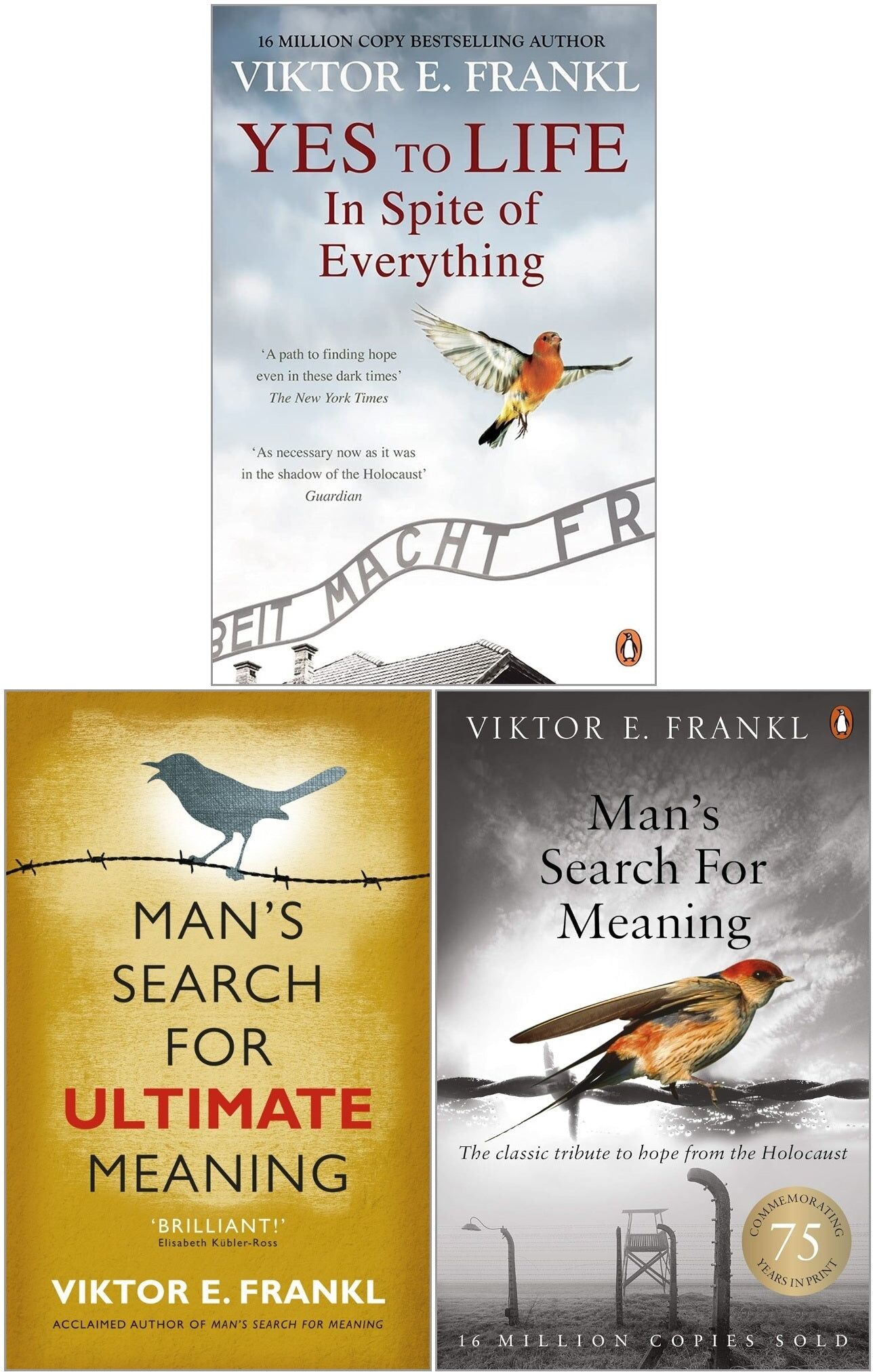
Penguin/Rider Books Viktor E. Frankl Collection 3 Books Set (Man's Search for Meaning, Yes to Life, Man's Search for Ultimate Meaning)Viktor E. Frankl Collection 3 Books Set (Man's Search for Meaning, Yes to Life, Man's Search for Ultimate Meaning) Man's Search for Meaning A prominent Viennese psychiatrist before the war, Viktor Frankl was uniquely able to observe the way that both he and others in Auschwitz coped (or didn't) with the experience. He noticed that it was the men who comforted others and who gave away their last piece of bread who survived the longest - and who offered proof that everything can be taken away from us except the ability to choose our attitude in any given set of circumstances. The sort of person the concentration camp prisoner became was the result of an inner decision and not of camp influences alone. Frankl came to believe man's deepest desire is to search for meaning and purpose. This outstanding work offers us all a way to transcend suffering and find significance in the art of living. Yes to Life A rediscovered masterpiece by the 16 million copy bestselling author of Man’s Search For Meaning Just months after his liberation from Auschwitz renowned psychiatrist Viktor E. Frankl delivered a series of talks revealing the foundations of his life-affirming philosophy. The psychologist, who would soon become world famous, explained his central thoughts on meaning, resilience and his conviction that every crisis contains opportunity. Published here for the very first time in English, Frankl's words resonate as strongly today as they did in 1946. Despite the unspeakable horrors in the camp, Frankl learnt from his fellow inmates that it is always possible to say ‘yes to life’ – a profound and timeless lesson for us all. Man's Search for Ultimate Meaning In Man's Search for Ultimate Meaning, Frankl explores our sometimes unconscious desire for inspiration or revelation. He explains how we can create meaning for ourselves and, ultimately, he reveals how life has more to offer us than we could ever imagine.21,99 £*Shipping: 2,99 £Secure redirect to the provider
-
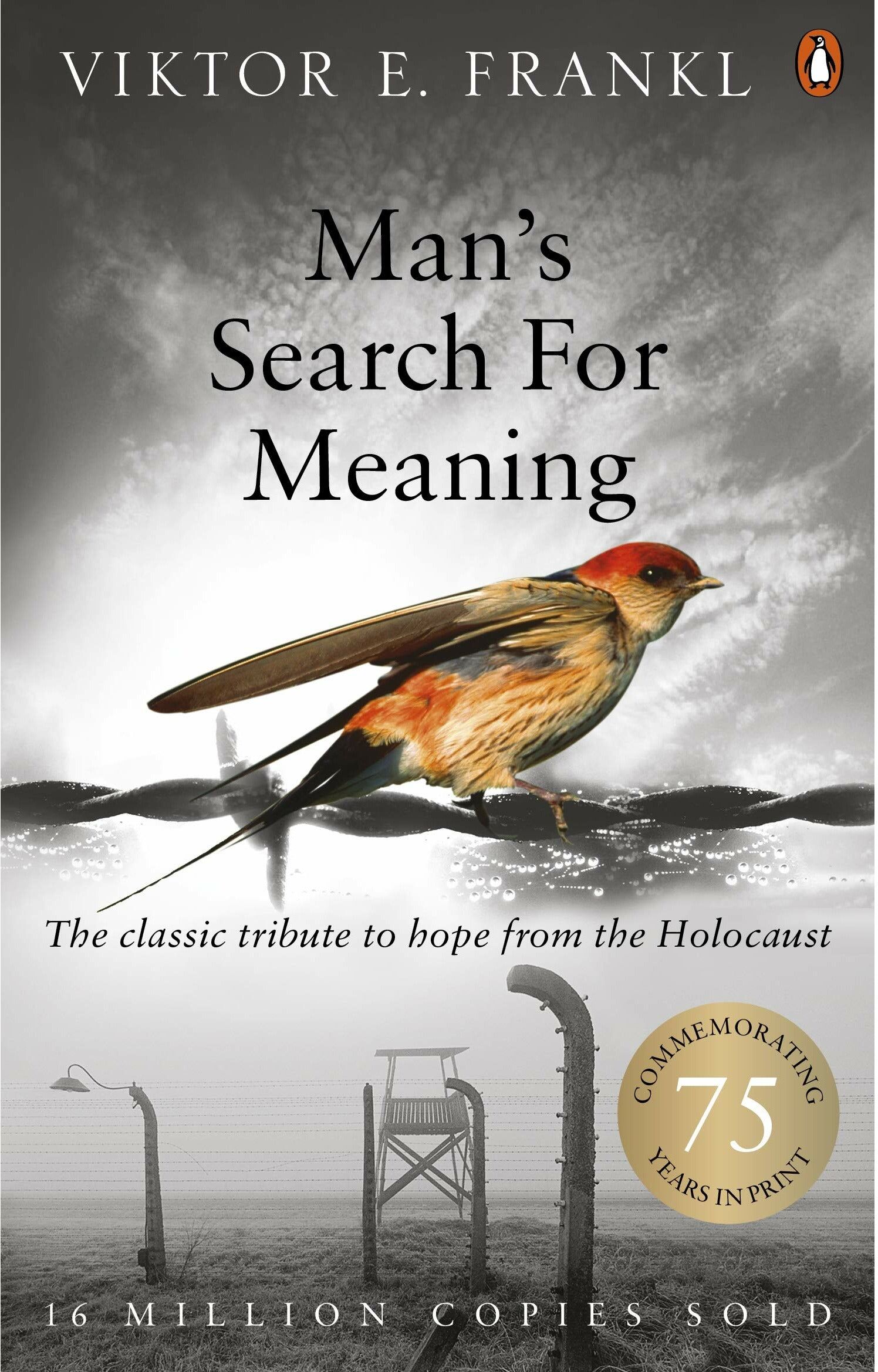
Penguin Man's Search For Meaning: The classic tribute to hope from the HolocaustA prominent Viennese psychiatrist before the war, Viktor Frankl was uniquely able to observe the way that both he and others in Auschwitz coped (or didn't) with the experience. He noticed that it was the men who comforted others and who gave away their last piece of bread who survived the longest - and who offered proof that everything can be taken away from us except the ability to choose our attitude in any given set of circumstances. The sort of person the concentration camp prisoner became was the result of an inner decision and not of camp influences alone. Frankl came to believe man's deepest desire is to search for meaning and purpose. This outstanding work offers us all a way to transcend suffering and find significance in the art of living.8,99 £*Shipping: 2,99 £Secure redirect to the provider
-
Cornerstone The Happiness Hypothesis: Ten Ways to Find Happiness and Meaning in LifeIn The Happiness Hypothesis, social psychologist Jonathan Haidt examines ten Great Ideas which have been championed across centuries and civilisations and asks: how can we apply these ideas to our twenty-first century lives?By holding ancient wisdom to the test of modern psychology, Haidt extracts lessons on how we can train our brains to be more optimistic, build better relationships and achieve a sense of balance. He also explores how we can overcome the obstacles to well-being that we place in our own way.In this uplifting and empowering book, Haidt draws on sources as diverse as Buddha, Benjamin Franklin and Shakespeare to show how we can find happiness and meaning in life10,99 £*Shipping: 2,99 £Secure redirect to the provider
-
Which degree and which university or college?
I have a Bachelor's degree in Computer Science from Stanford University. **
-
What is the meaning of functional education?
Functional education refers to an approach to learning that focuses on practical skills and knowledge that are directly applicable to real-life situations. It emphasizes the development of critical thinking, problem-solving, and decision-making skills, as well as the acquisition of relevant vocational and technical skills. The goal of functional education is to prepare individuals to be competent and capable in their personal and professional lives, enabling them to contribute effectively to society and the workforce. This type of education aims to bridge the gap between theoretical knowledge and practical application, ultimately empowering individuals to succeed in their chosen fields. **
-
Do your parents have a college or university degree?
Yes, both of my parents have college degrees. My mother has a bachelor's degree in education, and my father has a master's degree in business administration. Their education has been a source of inspiration for me and has instilled in me the value of higher education. They have always encouraged me to pursue my academic goals and have been supportive of my educational journey. **
-
What is the meaning of the desired degree?
The desired degree refers to the specific academic qualification or level of education that an individual aims to achieve in a particular field of study. It represents the knowledge, skills, and expertise that the individual seeks to acquire through their educational journey. Attaining the desired degree can open up opportunities for career advancement, personal growth, and specialized knowledge in a chosen area of interest. It serves as a milestone in one's educational and professional development, signaling a level of expertise and competence in a specific field. **
Similar search terms for Meaning
-
What is the meaning of voting and education?
Voting is the act of expressing one's opinion and participating in the democratic process by choosing leaders and making decisions on public policies. It is a fundamental right and responsibility in a democratic society, allowing individuals to have a say in how their country is governed. Education, on the other hand, is the process of acquiring knowledge, skills, and values that empower individuals to make informed decisions and contribute to society. It provides the tools necessary to critically evaluate information, understand the importance of civic engagement, and participate effectively in the democratic process, including voting. Together, voting and education are essential components of a healthy democracy, ensuring that citizens are informed and engaged in shaping the future of their communities and countries. **
-
What is the meaning of childhood and education?
Childhood is a period of growth, learning, and exploration. It is a time when children develop their identity, social skills, and cognitive abilities. Education during childhood is the process of acquiring knowledge, skills, and values that will help children navigate the world around them. It provides the foundation for their future success and well-being. Childhood and education are essential for shaping individuals into well-rounded, knowledgeable, and responsible members of society. **
-
Should one pursue a university degree or further education?
Pursuing a university degree or further education depends on an individual's career goals, interests, and financial situation. A university degree can provide valuable knowledge, skills, and credentials that can lead to better job opportunities and higher earning potential. However, further education, such as a master's or professional certification, can also enhance one's expertise and qualifications in a specific field. It's important to carefully consider the potential return on investment and weigh the costs and benefits of pursuing further education before making a decision. **
-
Is a college degree equivalent, higher or lower than a degree from a university?
A college degree is typically lower than a degree from a university. In the United States, a college degree is usually a 2-year associate's degree or a 4-year bachelor's degree, while a university degree often refers to a higher level of education such as a master's or doctoral degree. Universities tend to offer a wider range of academic programs and research opportunities compared to colleges, making their degrees more advanced and prestigious. **
* All prices are inclusive of VAT and, if applicable, plus shipping costs. The offer information is based on the details provided by the respective shop and is updated through automated processes. Real-time updates do not occur, so deviations can occur in individual cases. ** Note: Parts of this content were created by AI.