Buy studyportal.eu ?
We are moving the project
studyportal.eu .
Are you interested in purchasing the domain
studyportal.eu ?
domain@kv-gmbh.de · 0541-91531010
Buy studyportal.eu ?
How do you pasteurize cow's milk?
To pasteurize cow's milk, it is typically heated to a specific temperature (usually around 161°F or 72°C) for a set amount of time (usually 15-30 seconds). This process helps to kill harmful bacteria while preserving the nutritional value of the milk. After pasteurization, the milk is quickly cooled to prevent any recontamination. The pasteurized milk is then ready for consumption or further processing. **
How do you pasteurize raw milk?
To pasteurize raw milk, it needs to be heated to a specific temperature for a set amount of time to kill harmful bacteria. The most common method is to heat the raw milk to 161°F (72°C) for at least 15 seconds, known as the High-Temperature Short-Time (HTST) method. Another method is the Low-Temperature Long-Time (LTLT) method, which involves heating the milk to 145°F (63°C) for 30 minutes. After pasteurization, the milk is quickly cooled to prevent any recontamination. **


Similar search terms for Pasteurize
Top-Angebote
Products related to Pasteurize:



-
How do you properly pasteurize raw milk?
To properly pasteurize raw milk, it should be heated to at least 161°F (72°C) for at least 15 seconds. This process can be done using a double boiler or a pasteurization machine. It is important to stir the milk constantly during heating to ensure even temperature distribution. After pasteurization, the milk should be rapidly cooled to below 50°F (10°C) to prevent the growth of any remaining harmful bacteria. **
-
Which degree and which university or college?
I have a Bachelor's degree in Computer Science from Stanford University. **
-
Do your parents have a college or university degree?
Yes, both of my parents have college degrees. My mother has a bachelor's degree in education, and my father has a master's degree in business administration. Their education has been a source of inspiration for me and has instilled in me the value of higher education. They have always encouraged me to pursue my academic goals and have been supportive of my educational journey. **
-
Should one pursue a university degree or further education?
Pursuing a university degree or further education depends on an individual's career goals, interests, and financial situation. A university degree can provide valuable knowledge, skills, and credentials that can lead to better job opportunities and higher earning potential. However, further education, such as a master's or professional certification, can also enhance one's expertise and qualifications in a specific field. It's important to carefully consider the potential return on investment and weigh the costs and benefits of pursuing further education before making a decision. **


Is a college degree equivalent, higher or lower than a degree from a university?
A college degree is typically lower than a degree from a university. In the United States, a college degree is usually a 2-year associate's degree or a 4-year bachelor's degree, while a university degree often refers to a higher level of education such as a master's or doctoral degree. Universities tend to offer a wider range of academic programs and research opportunities compared to colleges, making their degrees more advanced and prestigious. **
How can one complete a degree at a university or college?
To complete a degree at a university or college, one must first choose a program of study that aligns with their interests and career goals. Then, they must fulfill all the required coursework, which typically includes a combination of general education requirements and courses specific to their major. Additionally, students must maintain a certain GPA, participate in internships or research projects, and pass any necessary exams or assessments. Finally, once all requirements are met, students can graduate with their degree. **
Top-Angebote
Products related to Pasteurize:
-
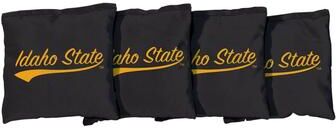
Skip's Garage College Vault Idaho State University Bengals Weathered Cornhole Board Set"These boards are Regulation Sized 2x4 (24"" Wide x 48"" Long). They are built with Premium Wood 1x4 Frames and Solid Wood 2x3's for the legs. Both boards feature a 1/2"" Sanded Birch Plywood Surface for perfect playability."341,49 $*Shipping: 0,00 $Secure redirect to the provider
-
How do you pasteurize cow's milk?
To pasteurize cow's milk, it is typically heated to a specific temperature (usually around 161°F or 72°C) for a set amount of time (usually 15-30 seconds). This process helps to kill harmful bacteria while preserving the nutritional value of the milk. After pasteurization, the milk is quickly cooled to prevent any recontamination. The pasteurized milk is then ready for consumption or further processing. **
-
How do you pasteurize raw milk?
To pasteurize raw milk, it needs to be heated to a specific temperature for a set amount of time to kill harmful bacteria. The most common method is to heat the raw milk to 161°F (72°C) for at least 15 seconds, known as the High-Temperature Short-Time (HTST) method. Another method is the Low-Temperature Long-Time (LTLT) method, which involves heating the milk to 145°F (63°C) for 30 minutes. After pasteurization, the milk is quickly cooled to prevent any recontamination. **
-
How do you properly pasteurize raw milk?
To properly pasteurize raw milk, it should be heated to at least 161°F (72°C) for at least 15 seconds. This process can be done using a double boiler or a pasteurization machine. It is important to stir the milk constantly during heating to ensure even temperature distribution. After pasteurization, the milk should be rapidly cooled to below 50°F (10°C) to prevent the growth of any remaining harmful bacteria. **
-
Which degree and which university or college?
I have a Bachelor's degree in Computer Science from Stanford University. **
Similar search terms for Pasteurize
-
Do your parents have a college or university degree?
Yes, both of my parents have college degrees. My mother has a bachelor's degree in education, and my father has a master's degree in business administration. Their education has been a source of inspiration for me and has instilled in me the value of higher education. They have always encouraged me to pursue my academic goals and have been supportive of my educational journey. **
-
Should one pursue a university degree or further education?
Pursuing a university degree or further education depends on an individual's career goals, interests, and financial situation. A university degree can provide valuable knowledge, skills, and credentials that can lead to better job opportunities and higher earning potential. However, further education, such as a master's or professional certification, can also enhance one's expertise and qualifications in a specific field. It's important to carefully consider the potential return on investment and weigh the costs and benefits of pursuing further education before making a decision. **
-
Is a college degree equivalent, higher or lower than a degree from a university?
A college degree is typically lower than a degree from a university. In the United States, a college degree is usually a 2-year associate's degree or a 4-year bachelor's degree, while a university degree often refers to a higher level of education such as a master's or doctoral degree. Universities tend to offer a wider range of academic programs and research opportunities compared to colleges, making their degrees more advanced and prestigious. **
-
How can one complete a degree at a university or college?
To complete a degree at a university or college, one must first choose a program of study that aligns with their interests and career goals. Then, they must fulfill all the required coursework, which typically includes a combination of general education requirements and courses specific to their major. Additionally, students must maintain a certain GPA, participate in internships or research projects, and pass any necessary exams or assessments. Finally, once all requirements are met, students can graduate with their degree. **
* All prices are inclusive of VAT and, if applicable, plus shipping costs. The offer information is based on the details provided by the respective shop and is updated through automated processes. Real-time updates do not occur, so deviations can occur in individual cases. ** Note: Parts of this content were created by AI.