Buy studyportal.eu ?
We are moving the project
studyportal.eu .
Are you interested in purchasing the domain
studyportal.eu ?
domain@kv-gmbh.de · 0541-91531010
Buy studyportal.eu ?
At what salinity is water drinkable?
Water is considered drinkable when it has a salinity level of less than 500 mg/L (milligrams per liter). This level of salinity is generally safe for human consumption and does not pose any health risks. Water with higher salinity levels may taste salty and can have a laxative effect if consumed in large quantities. **
At what salinity level is water drinkable?
Water is considered drinkable when it has a salinity level of less than 500 mg/L (milligrams per liter). This level of salinity is considered safe for human consumption and does not pose any health risks. Higher levels of salinity can make water taste salty and can have negative effects on the body if consumed in large quantities. **

Similar search terms for Salinity
Top-Angebote
Products related to Salinity:
-
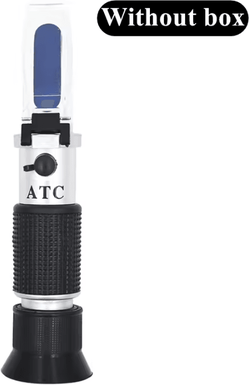
Inspire Curations Handheld Salinity Refractometer For Saltwater Aquariums without BoxMonitor saltwater conditions with confidence using this salinity refractometer designed for quick and convenient liquid testing. Its dualscale measurement allows users to check salinity from 0100 and specific gravity from 1.0001.070 SG, making...100,50 $*Shipping: 0,00 $Secure redirect to the provider



-
Why do oceans have different levels of salinity?
Oceans have different levels of salinity due to a variety of factors. One major factor is the amount of freshwater input from rivers, precipitation, and melting ice. Areas with high freshwater input tend to have lower salinity levels, while areas with high evaporation rates and limited freshwater input have higher salinity levels. Additionally, ocean currents can also play a role in distributing and mixing saltwater, leading to variations in salinity levels across different regions of the ocean. Finally, the temperature of the water can also affect salinity, as warmer water can hold more salt than colder water. **
-
Which degree and which university or college?
I have a Bachelor's degree in Computer Science from Stanford University. **
-
Could very many artificial freshwater lakes possibly have an impact on the salinity of the seas?
Yes, the creation of very many artificial freshwater lakes could potentially have an impact on the salinity of the seas. This is because the water that would have otherwise flowed into the sea is being diverted to these lakes, reducing the amount of freshwater entering the sea. As a result, the salinity of the sea could increase due to the imbalance in the water cycle. Additionally, the reduced freshwater flow into the sea could also impact the ecosystems and marine life that rely on a certain level of salinity for survival. **
-
Do your parents have a college or university degree?
Yes, both of my parents have college degrees. My mother has a bachelor's degree in education, and my father has a master's degree in business administration. Their education has been a source of inspiration for me and has instilled in me the value of higher education. They have always encouraged me to pursue my academic goals and have been supportive of my educational journey. **


Should one pursue a university degree or further education?
Pursuing a university degree or further education depends on an individual's career goals, interests, and financial situation. A university degree can provide valuable knowledge, skills, and credentials that can lead to better job opportunities and higher earning potential. However, further education, such as a master's or professional certification, can also enhance one's expertise and qualifications in a specific field. It's important to carefully consider the potential return on investment and weigh the costs and benefits of pursuing further education before making a decision. **
Is a college degree equivalent, higher or lower than a degree from a university?
A college degree is typically lower than a degree from a university. In the United States, a college degree is usually a 2-year associate's degree or a 4-year bachelor's degree, while a university degree often refers to a higher level of education such as a master's or doctoral degree. Universities tend to offer a wider range of academic programs and research opportunities compared to colleges, making their degrees more advanced and prestigious. **
Top-Angebote
Products related to Salinity:
-
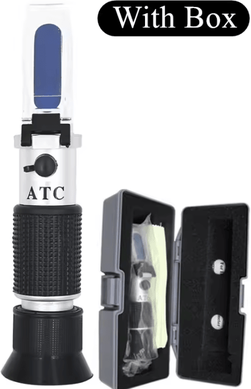
Inspire Curations Handheld Salinity Refractometer For Saltwater Aquariums with BoxMonitor saltwater conditions with confidence using this salinity refractometer designed for quick and convenient liquid testing. Its dualscale measurement allows users to check salinity from 0100 and specific gravity from 1.0001.070 SG, making...133,00 $*Shipping: 0,00 $Secure redirect to the provider
-
Inspire Curations Handheld Salinity Refractometer For Saltwater Aquariums without BoxMonitor saltwater conditions with confidence using this salinity refractometer designed for quick and convenient liquid testing. Its dualscale measurement allows users to check salinity from 0100 and specific gravity from 1.0001.070 SG, making...100,50 $*Shipping: 0,00 $Secure redirect to the provider
-
At what salinity is water drinkable?
Water is considered drinkable when it has a salinity level of less than 500 mg/L (milligrams per liter). This level of salinity is generally safe for human consumption and does not pose any health risks. Water with higher salinity levels may taste salty and can have a laxative effect if consumed in large quantities. **
-
At what salinity level is water drinkable?
Water is considered drinkable when it has a salinity level of less than 500 mg/L (milligrams per liter). This level of salinity is considered safe for human consumption and does not pose any health risks. Higher levels of salinity can make water taste salty and can have negative effects on the body if consumed in large quantities. **
-
Why do oceans have different levels of salinity?
Oceans have different levels of salinity due to a variety of factors. One major factor is the amount of freshwater input from rivers, precipitation, and melting ice. Areas with high freshwater input tend to have lower salinity levels, while areas with high evaporation rates and limited freshwater input have higher salinity levels. Additionally, ocean currents can also play a role in distributing and mixing saltwater, leading to variations in salinity levels across different regions of the ocean. Finally, the temperature of the water can also affect salinity, as warmer water can hold more salt than colder water. **
-
Which degree and which university or college?
I have a Bachelor's degree in Computer Science from Stanford University. **
Similar search terms for Salinity
-
Could very many artificial freshwater lakes possibly have an impact on the salinity of the seas?
Yes, the creation of very many artificial freshwater lakes could potentially have an impact on the salinity of the seas. This is because the water that would have otherwise flowed into the sea is being diverted to these lakes, reducing the amount of freshwater entering the sea. As a result, the salinity of the sea could increase due to the imbalance in the water cycle. Additionally, the reduced freshwater flow into the sea could also impact the ecosystems and marine life that rely on a certain level of salinity for survival. **
-
Do your parents have a college or university degree?
Yes, both of my parents have college degrees. My mother has a bachelor's degree in education, and my father has a master's degree in business administration. Their education has been a source of inspiration for me and has instilled in me the value of higher education. They have always encouraged me to pursue my academic goals and have been supportive of my educational journey. **
-
Should one pursue a university degree or further education?
Pursuing a university degree or further education depends on an individual's career goals, interests, and financial situation. A university degree can provide valuable knowledge, skills, and credentials that can lead to better job opportunities and higher earning potential. However, further education, such as a master's or professional certification, can also enhance one's expertise and qualifications in a specific field. It's important to carefully consider the potential return on investment and weigh the costs and benefits of pursuing further education before making a decision. **
-
Is a college degree equivalent, higher or lower than a degree from a university?
A college degree is typically lower than a degree from a university. In the United States, a college degree is usually a 2-year associate's degree or a 4-year bachelor's degree, while a university degree often refers to a higher level of education such as a master's or doctoral degree. Universities tend to offer a wider range of academic programs and research opportunities compared to colleges, making their degrees more advanced and prestigious. **
* All prices are inclusive of VAT and, if applicable, plus shipping costs. The offer information is based on the details provided by the respective shop and is updated through automated processes. Real-time updates do not occur, so deviations can occur in individual cases. ** Note: Parts of this content were created by AI.