Buy studyportal.eu ?
We are moving the project
studyportal.eu .
Are you interested in purchasing the domain
studyportal.eu ?
domain@kv-gmbh.de · 0541-91531010
Buy studyportal.eu ?
Is a university education considered a school education?
Yes, a university education is considered a form of school education. While the term "school" is often associated with primary and secondary education, it can also encompass higher education institutions such as colleges and universities. A university education involves advanced learning and specialized training in a particular field of study, and it is typically pursued after completing secondary education. Therefore, it falls under the broader category of school education. **
What distinguishes a university education from school?
A university education differs from school in several key ways. Firstly, university education is typically more specialized and focused on a specific area of study, allowing students to delve deeper into their chosen field. Secondly, university education often involves more independent learning and critical thinking, as students are expected to take more responsibility for their own learning. Finally, university education provides opportunities for research, internships, and other real-world experiences that are not typically available in a school setting. Overall, a university education offers a more in-depth and specialized learning experience compared to school. **
Similar search terms for School
Top-Angebote
Products related to School:
-
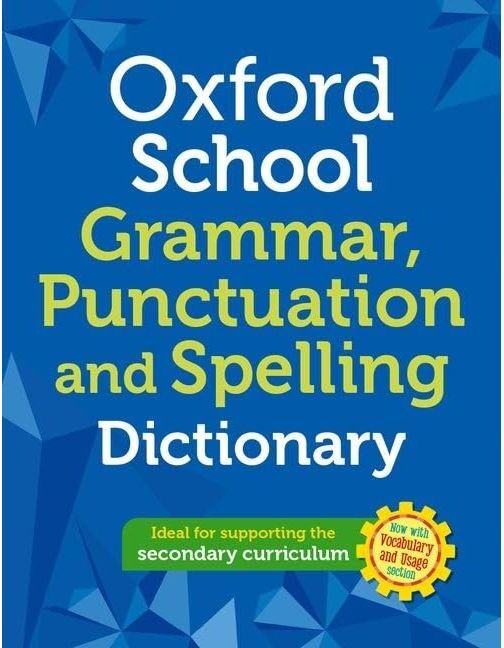
OXFORD UNIVERSITY PRESS Oxford School Spelling Punctuation And Grammar DictionaryWith a clear, colour layout, this is a dictionary with a difference. It covers all the grammar terms required for the KS3 curriculum, punctuation marks and when to use them, and spelling rules, tips and examples. New for this edition is a section on vocabulary and usage which provides perfect support for building language in context and improving writing skills in secondary school. Finally, there is an alphabetical dictionary of tricky spellings with hints and tips on how to avoid making common spelling mistakes. These words are chosen using analysis of real children's writing in the Oxford Children's Corpus. This unique dictionary is a valuable resource for exam preparation, including GCSEs. Online activities provide easy practice at home or can be usedas part of lesson starters and homework. For free downloadable activity worksheets, go to www.oxfordschooldictionaries.com.7,90 £*Shipping: 2,99 £Secure redirect to the provider
-
OXFORD UNIVERSITY PRESS Oxford School Shakespeare: Romeo and Juliet by William Shakespeare GCSE English Literature Study Text School Shakespeare EditionStudy one of the world's most famous plays with Oxford School Shakespeare: Romeo and Juliet by William Shakespeare. Designed with school students in mind, the Oxford School Shakespeare edition presents the complete text of Romeo and Juliet alongside supporting material intended to make Shakespeare's language, characters and themes more accessible to young readers. Set in Verona, the tragedy follows Romeo Montague and Juliet Capulet, two young people from rival families who fall in love despite the bitter feud surrounding them. Their relationship sets in motion a chain of events that has made Romeo and Juliet one of Shakespeare's most enduring works. The play explores important themes including love, conflict, family, fate, loyalty, violence and tragedy, making it a widely studied Shakespeare text in secondary-school English literature. Ideal for GCSE students, secondary-school pupils, teachers and independent study, this Oxford School Shakespeare edition is a useful addition to any school or home literature collection. Key Features Oxford School Shakespeare edition Complete Romeo and Juliet play by William Shakespeare Designed specifically with school students in mind Supports understanding of Shakespeare's language and drama Explores key themes, characters and ideas Useful for classroom learning and independent revision Ideal for secondary-school and GCSE English Literature students This title is for students aged 11+ and is suitable for all exam boards.5,99 £*Shipping: 2,99 £Secure redirect to the provider
-
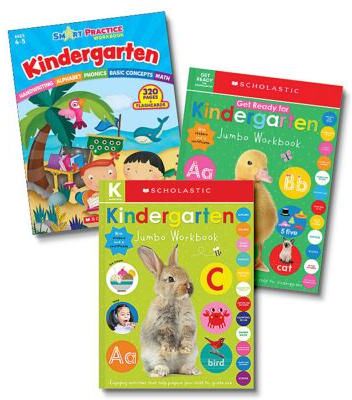
SSO Back to School Back to School: Kindergarten Learning Value PackThis set includes:Scholastic Early Learners: Get Ready for Kindergarten Jumbo WorkbookScholastic Early Learners: Kindergarten Jumbo WorkbookSmart Practice Workbook: Kindergarten Back to School: Kindergarten Learning Value Pack34,82 $*Shipping: 0,00 $Secure redirect to the provider


-
Which degree and which university or college?
I have a Bachelor's degree in Computer Science from Stanford University. **
-
How do good grades at university and bad grades in school influence a scholarship?
Good grades at university can positively influence a scholarship application by demonstrating a student's academic ability and commitment to their studies. It can show that the student has the potential to succeed in their chosen field and make the most of the scholarship opportunity. On the other hand, bad grades in school may be less impactful if the student has shown significant improvement and dedication in their university studies. Scholarship committees often take into account the overall academic trajectory and potential of the student, rather than solely focusing on past performance. Therefore, while bad grades in school may not be ideal, they may not necessarily disqualify a student from being considered for a scholarship. **
-
Is a university degree and high school diploma always successful?
While a university degree and high school diploma can greatly increase one's chances of success, they are not always guarantees of success. Success is subjective and can be achieved through various paths, including vocational training, entrepreneurship, or gaining experience in a specific field. Additionally, factors such as personal drive, determination, and networking skills also play a significant role in achieving success, regardless of one's educational background. **
-
How does one go from special education school to university?
To go from a special education school to university, individuals can start by working closely with their special education teachers and counselors to develop a personalized education plan that aligns with their academic goals. They can also seek support from their school's transition services to explore post-secondary education options and access resources for college preparation. Additionally, researching universities with inclusive programs and support services for students with disabilities can help in finding the right fit for higher education. Finally, individuals can work on building their academic skills, self-advocacy, and independence to successfully transition to university from a special education setting. **

How long have you been going to school, college, or university?
I have been attending school for about 16 years, starting from kindergarten all the way through to my undergraduate degree. I then continued on to pursue a graduate degree, which added another 2-3 years to my educational journey. Overall, I have been in formal education for about 18-19 years. **
Is a further education college the same as a technical school?
A further education college and a technical school are not the same, although they may offer similar programs. Further education colleges typically offer a wider range of academic and vocational courses beyond high school level, including A-levels, vocational qualifications, and adult education. Technical schools, on the other hand, focus specifically on providing technical and vocational training in specific trades or fields, such as automotive technology, cosmetology, or culinary arts. While both institutions aim to provide practical skills and training, technical schools have a more specialized focus compared to further education colleges. **
Top-Angebote
Products related to School:
-
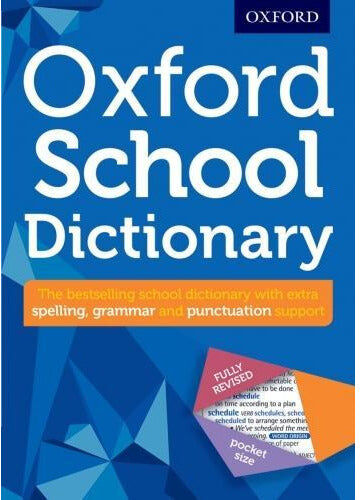
OXFORD UNIVERSITY PRESS Oxford School Dictionary - Oxford DictionaryOxford School Dictionary Description A major new edition of the trusted; bestselling; comprehensive Oxford School Dictionary with new curriculum support. This fantastic new edition will boost your children's vocabulary with new words and meanings from across the curriculum. A helpful new spelling; grammar and punctuation section is included to enhance language skills and bring the dictionary up to date. What makes it the best? It is uniquely powered by the Oxford Children's Corpus; the largest bank of children's language in English; so you can be confident that all entries are clearly written in child-friendly language that children actually understand. Each example is perfectly age-appropriate; making it easy and enjoyable for every child to use. New for this edition is a robust supplement on spelling; grammar and punctuation; giving targeted help with the tricky bits; making this dictionary the perfect tool to support children in their journey to become good readers and writers. As usual; it has been extensively trialled with schools; so you can be sure it is still the best dictionary for your children; in a handy pocket-sized format7,99 £*Shipping: 2,99 £Secure redirect to the provider
-
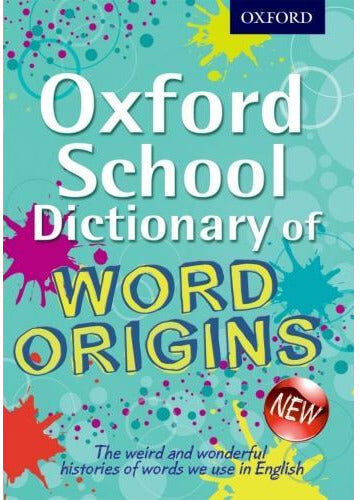
OXFORD UNIVERSITY PRESS Oxford School Dictionary Of Word OriginsThis new paperback edition of the Oxford School Dictionary of Word Origins gives an engaging insight into the origins of the everyday language we use. It provides additional language support and information through funny and absorbing word histories; feature entries on especially curious; 'yucky'; and 'mind-boggling' words; and a full thematic section on words from the worlds of food; fashion; dinosaur names; invented and onomatopoeic words and much more. John Ayto; top word expert; entertains all ages from eight to eighty with this informative and humorous dictionary and language reference tool7,99 £*Shipping: 2,99 £Secure redirect to the provider
-
OXFORD UNIVERSITY PRESS Oxford School Spelling Punctuation And Grammar DictionaryWith a clear, colour layout, this is a dictionary with a difference. It covers all the grammar terms required for the KS3 curriculum, punctuation marks and when to use them, and spelling rules, tips and examples. New for this edition is a section on vocabulary and usage which provides perfect support for building language in context and improving writing skills in secondary school. Finally, there is an alphabetical dictionary of tricky spellings with hints and tips on how to avoid making common spelling mistakes. These words are chosen using analysis of real children's writing in the Oxford Children's Corpus. This unique dictionary is a valuable resource for exam preparation, including GCSEs. Online activities provide easy practice at home or can be usedas part of lesson starters and homework. For free downloadable activity worksheets, go to www.oxfordschooldictionaries.com.7,90 £*Shipping: 2,99 £Secure redirect to the provider
-
OXFORD UNIVERSITY PRESS Oxford School Shakespeare: Romeo and Juliet by William Shakespeare GCSE English Literature Study Text School Shakespeare EditionStudy one of the world's most famous plays with Oxford School Shakespeare: Romeo and Juliet by William Shakespeare. Designed with school students in mind, the Oxford School Shakespeare edition presents the complete text of Romeo and Juliet alongside supporting material intended to make Shakespeare's language, characters and themes more accessible to young readers. Set in Verona, the tragedy follows Romeo Montague and Juliet Capulet, two young people from rival families who fall in love despite the bitter feud surrounding them. Their relationship sets in motion a chain of events that has made Romeo and Juliet one of Shakespeare's most enduring works. The play explores important themes including love, conflict, family, fate, loyalty, violence and tragedy, making it a widely studied Shakespeare text in secondary-school English literature. Ideal for GCSE students, secondary-school pupils, teachers and independent study, this Oxford School Shakespeare edition is a useful addition to any school or home literature collection. Key Features Oxford School Shakespeare edition Complete Romeo and Juliet play by William Shakespeare Designed specifically with school students in mind Supports understanding of Shakespeare's language and drama Explores key themes, characters and ideas Useful for classroom learning and independent revision Ideal for secondary-school and GCSE English Literature students This title is for students aged 11+ and is suitable for all exam boards.5,99 £*Shipping: 2,99 £Secure redirect to the provider
-
Is a university education considered a school education?
Yes, a university education is considered a form of school education. While the term "school" is often associated with primary and secondary education, it can also encompass higher education institutions such as colleges and universities. A university education involves advanced learning and specialized training in a particular field of study, and it is typically pursued after completing secondary education. Therefore, it falls under the broader category of school education. **
-
What distinguishes a university education from school?
A university education differs from school in several key ways. Firstly, university education is typically more specialized and focused on a specific area of study, allowing students to delve deeper into their chosen field. Secondly, university education often involves more independent learning and critical thinking, as students are expected to take more responsibility for their own learning. Finally, university education provides opportunities for research, internships, and other real-world experiences that are not typically available in a school setting. Overall, a university education offers a more in-depth and specialized learning experience compared to school. **
-
Which degree and which university or college?
I have a Bachelor's degree in Computer Science from Stanford University. **
-
How do good grades at university and bad grades in school influence a scholarship?
Good grades at university can positively influence a scholarship application by demonstrating a student's academic ability and commitment to their studies. It can show that the student has the potential to succeed in their chosen field and make the most of the scholarship opportunity. On the other hand, bad grades in school may be less impactful if the student has shown significant improvement and dedication in their university studies. Scholarship committees often take into account the overall academic trajectory and potential of the student, rather than solely focusing on past performance. Therefore, while bad grades in school may not be ideal, they may not necessarily disqualify a student from being considered for a scholarship. **
Similar search terms for School
-
SSO Back to School Back to School: Kindergarten Learning Value PackThis set includes:Scholastic Early Learners: Get Ready for Kindergarten Jumbo WorkbookScholastic Early Learners: Kindergarten Jumbo WorkbookSmart Practice Workbook: Kindergarten Back to School: Kindergarten Learning Value Pack34,82 $*Shipping: 0,00 $Secure redirect to the provider
-
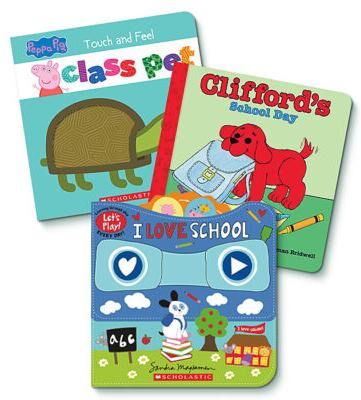
SSO Back to School Back to School: Pre-K Board BooksGet ready for school days with these three books for early learners!This set includes:Clifford's School Day Board BookLet's Play: I Love SchoolPeppa Pig: Class Pet Back to School: Pre-K Board Books28,02 $*Shipping: 0,00 $Secure redirect to the provider
-
SSO Back to School Back to School: 3rd Grade Reads Value PackSchool can be scary - and not just when monsters are involved!This set includes:Bad Princesses #1: Perfect VillainsHow Not to be a Vampire SlayerScared Silly #1: Curses are the WorstWorst Week Ever #1: Monday Back to School: 3rd Grade Reads Value Pack28,01 $*Shipping: 0,00 $Secure redirect to the provider
-
Is a university degree and high school diploma always successful?
While a university degree and high school diploma can greatly increase one's chances of success, they are not always guarantees of success. Success is subjective and can be achieved through various paths, including vocational training, entrepreneurship, or gaining experience in a specific field. Additionally, factors such as personal drive, determination, and networking skills also play a significant role in achieving success, regardless of one's educational background. **
-
How does one go from special education school to university?
To go from a special education school to university, individuals can start by working closely with their special education teachers and counselors to develop a personalized education plan that aligns with their academic goals. They can also seek support from their school's transition services to explore post-secondary education options and access resources for college preparation. Additionally, researching universities with inclusive programs and support services for students with disabilities can help in finding the right fit for higher education. Finally, individuals can work on building their academic skills, self-advocacy, and independence to successfully transition to university from a special education setting. **
-
How long have you been going to school, college, or university?
I have been attending school for about 16 years, starting from kindergarten all the way through to my undergraduate degree. I then continued on to pursue a graduate degree, which added another 2-3 years to my educational journey. Overall, I have been in formal education for about 18-19 years. **
-
Is a further education college the same as a technical school?
A further education college and a technical school are not the same, although they may offer similar programs. Further education colleges typically offer a wider range of academic and vocational courses beyond high school level, including A-levels, vocational qualifications, and adult education. Technical schools, on the other hand, focus specifically on providing technical and vocational training in specific trades or fields, such as automotive technology, cosmetology, or culinary arts. While both institutions aim to provide practical skills and training, technical schools have a more specialized focus compared to further education colleges. **
* All prices are inclusive of VAT and, if applicable, plus shipping costs. The offer information is based on the details provided by the respective shop and is updated through automated processes. Real-time updates do not occur, so deviations can occur in individual cases. ** Note: Parts of this content were created by AI.