Buy studyportal.eu ?
We are moving the project
studyportal.eu .
Are you interested in purchasing the domain
studyportal.eu ?
domain@kv-gmbh.de · 0541-91531010
Buy studyportal.eu ?
Which TPMS does the Hyundai i20 have?
The Hyundai i20 is equipped with a direct TPMS (Tire Pressure Monitoring System). This type of TPMS uses sensors inside each tire to monitor the air pressure and sends real-time data to the vehicle's onboard computer. This allows the driver to receive alerts if the tire pressure is too low, helping to improve safety and fuel efficiency. **
How can one use tires without TPMS?
One can use tires without TPMS by regularly checking the tire pressure manually using a tire pressure gauge. It is important to check the tire pressure at least once a month and before long trips. Additionally, one should visually inspect the tires for any signs of damage or wear. It is also important to be aware of any changes in the vehicle's handling or performance, as these can be indicators of tire issues. Regular maintenance and attention to tire pressure and condition can help ensure safe driving without TPMS. **
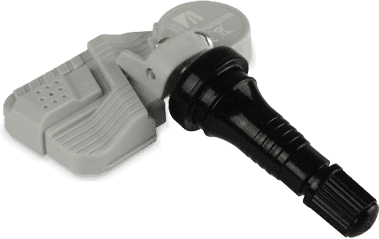

Similar search terms for TPMS
Top-Angebote
Products related to TPMS:
-
Skip's Garage College Vault Idaho State University Bengals Weathered Cornhole Board Set"These boards are Regulation Sized 2x4 (24"" Wide x 48"" Long). They are built with Premium Wood 1x4 Frames and Solid Wood 2x3's for the legs. Both boards feature a 1/2"" Sanded Birch Plywood Surface for perfect playability."341,49 $*Shipping: 0,00 $Secure redirect to the provider




-
Where is the RDKS/TPMS control unit located?
The RDKS/TPMS control unit is typically located inside the vehicle, often near the center console or under the dashboard. It is usually positioned in a place that is easily accessible for maintenance or troubleshooting. However, the exact location can vary depending on the make and model of the vehicle. It is recommended to consult the vehicle's manual or a professional mechanic for specific information on the location of the RDKS/TPMS control unit in a particular vehicle. **
-
What is the TPMS in the VW Up?
The TPMS in the VW Up stands for Tire Pressure Monitoring System. This system is designed to monitor the air pressure in the tires and alert the driver if the pressure is too low. It helps improve safety by providing real-time information about tire pressure, which can prevent accidents caused by underinflated tires. The TPMS in the VW Up is a valuable feature that helps drivers maintain optimal tire pressure for better performance and fuel efficiency. **
-
Do I need TPMS sensors in the tires?
Yes, TPMS (Tire Pressure Monitoring System) sensors are important for ensuring the safety and performance of your vehicle. These sensors monitor the air pressure in your tires and alert you if the pressure is too low, which can help prevent accidents and improve fuel efficiency. Additionally, TPMS sensors are required by law in many countries, so it's important to have them installed in your tires to comply with regulations. **
-
Are the TPMS systems in the BMW E90 direct or indirect?
The TPMS (Tire Pressure Monitoring System) in the BMW E90 is a direct system. This means that each tire has its own sensor that directly measures the tire pressure and sends the information to the vehicle's onboard computer. Direct TPMS systems are known for providing more accurate and real-time tire pressure readings compared to indirect systems. **


How do I reset the TPMS of the VW Tiguan 2013?
To reset the TPMS (Tire Pressure Monitoring System) on a VW Tiguan 2013, start by ensuring that all tires are properly inflated to the recommended pressure. Then, turn the ignition switch to the ON position, but do not start the engine. Use the menu button on the turn signal lever to navigate to the "Tire Pressure" menu on the instrument cluster. Once in the menu, press and hold the reset button until the TPMS indicator light blinks three times to indicate that the system has been reset. Finally, start the engine and verify that the TPMS indicator light turns off, indicating that the reset was successful. **
Which degree and which university or college?
I have a Bachelor's degree in Computer Science from Stanford University. **
Top-Angebote
Products related to TPMS:
-
SCHRADER 8001 Tyre pressure sensor (TPMS)Vehicle Equipment: for vehicles with tyre-pressure monitoring system; Supplementary Article / Supplementary Info Info 2: with groove, with valves; Permissible maximum speed [km/h]: 250; Valve colour: silver; Code Letter: 8001; Mounting Type: Bolted; Test Mark: CE5,99 £*Shipping: 8,45 £Secure redirect to the provider
-
Skip's Garage College Vault Idaho State University Bengals Weathered Cornhole Board Set"These boards are Regulation Sized 2x4 (24"" Wide x 48"" Long). They are built with Premium Wood 1x4 Frames and Solid Wood 2x3's for the legs. Both boards feature a 1/2"" Sanded Birch Plywood Surface for perfect playability."341,49 $*Shipping: 0,00 $Secure redirect to the provider
-
Which TPMS does the Hyundai i20 have?
The Hyundai i20 is equipped with a direct TPMS (Tire Pressure Monitoring System). This type of TPMS uses sensors inside each tire to monitor the air pressure and sends real-time data to the vehicle's onboard computer. This allows the driver to receive alerts if the tire pressure is too low, helping to improve safety and fuel efficiency. **
-
How can one use tires without TPMS?
One can use tires without TPMS by regularly checking the tire pressure manually using a tire pressure gauge. It is important to check the tire pressure at least once a month and before long trips. Additionally, one should visually inspect the tires for any signs of damage or wear. It is also important to be aware of any changes in the vehicle's handling or performance, as these can be indicators of tire issues. Regular maintenance and attention to tire pressure and condition can help ensure safe driving without TPMS. **
-
Where is the RDKS/TPMS control unit located?
The RDKS/TPMS control unit is typically located inside the vehicle, often near the center console or under the dashboard. It is usually positioned in a place that is easily accessible for maintenance or troubleshooting. However, the exact location can vary depending on the make and model of the vehicle. It is recommended to consult the vehicle's manual or a professional mechanic for specific information on the location of the RDKS/TPMS control unit in a particular vehicle. **
-
What is the TPMS in the VW Up?
The TPMS in the VW Up stands for Tire Pressure Monitoring System. This system is designed to monitor the air pressure in the tires and alert the driver if the pressure is too low. It helps improve safety by providing real-time information about tire pressure, which can prevent accidents caused by underinflated tires. The TPMS in the VW Up is a valuable feature that helps drivers maintain optimal tire pressure for better performance and fuel efficiency. **
Similar search terms for TPMS
-
Do I need TPMS sensors in the tires?
Yes, TPMS (Tire Pressure Monitoring System) sensors are important for ensuring the safety and performance of your vehicle. These sensors monitor the air pressure in your tires and alert you if the pressure is too low, which can help prevent accidents and improve fuel efficiency. Additionally, TPMS sensors are required by law in many countries, so it's important to have them installed in your tires to comply with regulations. **
-
Are the TPMS systems in the BMW E90 direct or indirect?
The TPMS (Tire Pressure Monitoring System) in the BMW E90 is a direct system. This means that each tire has its own sensor that directly measures the tire pressure and sends the information to the vehicle's onboard computer. Direct TPMS systems are known for providing more accurate and real-time tire pressure readings compared to indirect systems. **
-
How do I reset the TPMS of the VW Tiguan 2013?
To reset the TPMS (Tire Pressure Monitoring System) on a VW Tiguan 2013, start by ensuring that all tires are properly inflated to the recommended pressure. Then, turn the ignition switch to the ON position, but do not start the engine. Use the menu button on the turn signal lever to navigate to the "Tire Pressure" menu on the instrument cluster. Once in the menu, press and hold the reset button until the TPMS indicator light blinks three times to indicate that the system has been reset. Finally, start the engine and verify that the TPMS indicator light turns off, indicating that the reset was successful. **
-
Which degree and which university or college?
I have a Bachelor's degree in Computer Science from Stanford University. **
* All prices are inclusive of VAT and, if applicable, plus shipping costs. The offer information is based on the details provided by the respective shop and is updated through automated processes. Real-time updates do not occur, so deviations can occur in individual cases. ** Note: Parts of this content were created by AI.